THEORIA
Explore full early church libraryExplore library
Library
  1. Library
  2. St. Augustine of Hippo
  3. On Nature and Grace

On Nature and Grace

St. Augustine of Hippo

2h 7m read
Post-Nicene

De Natura et Gratia, Augustine's reply to Pelagius's On Nature, showing that fallen nature cannot achieve righteousness without the healing and liberating grace of Christ.
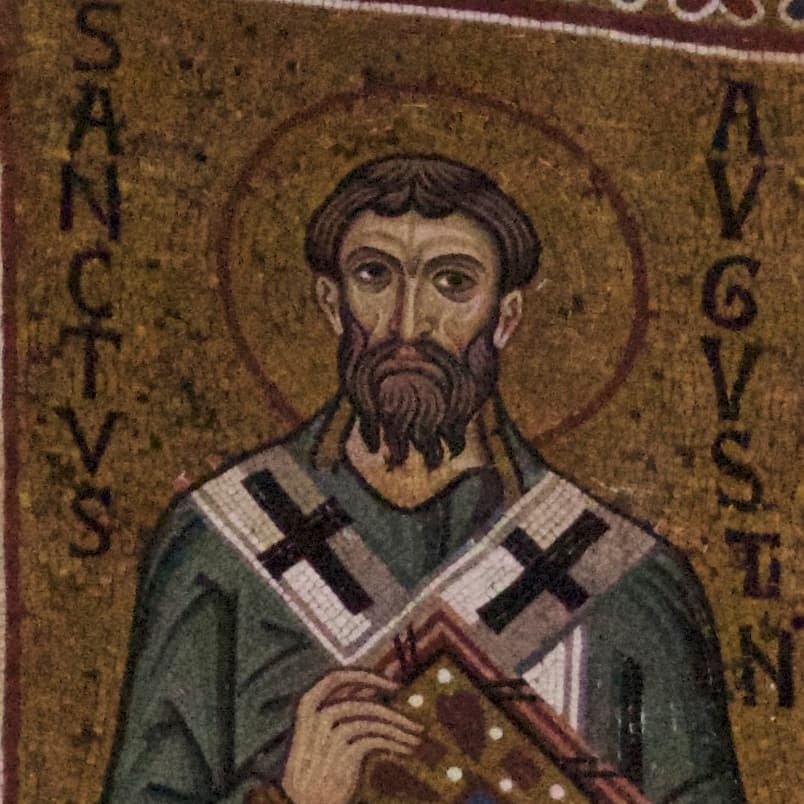
Table of Contents

1Extract from Augustin’s Retractations2Book II. Chap. 42,3Note on the Following Work4Argument5The Occasion of Publishing This Work; What God’s Righteousness is6Faith in Christ Not Necessary to Salvation, If a Man Without It Can Lead a Righteous Life7Nature Was Created Sound and Whole; It Was Afterwards Corrupted by Sin8Chapter 4 [IV.]—Free Grace.9It Was a Matter of Justice that All Should Be Condemned10The Pelagians Have Very Strong and Active Minds11He Proceeds to Confute the Work of Pelagius; He Refrains as Yet from Mentioning Pelagius’ Name12A Distinction Drawn by Pelagius Between the Possible and Actual13Even They Who Were Not Able to Be Justified are Condemned14He Could Not Be Justified, Who Had Not Heard of the Name of Christ; Rendering the Cross of Christ of None Effect15Chapter 11 [X.]—Grace Subtly Acknowledged by Pelagius.16In Our Discussions About Grace, We Do Not Speak of that Which Relates to the Constitution of Our Nature, But to Its Restoration17The Scope and Purpose of the Law’s Threatenings; 'Perfect Wayfarers.'18Chapter 14 [XIII.]—Refutation of Pelagius.19Not Everything [of Doctrinal Truth] is Written in Scripture in So Many Words20Pelagius Corrupts a Passage of the Apostle James by Adding a Note of Interrogation21Chapter 17 [XVI.]—Explanation of This Text Continued.22Chapter 18 [XVII.]—Who May Be Said to Be in the Flesh.23Sins of Ignorance; To Whom Wisdom is Given by God on Their Requesting It24What Prayer Pelagius Would Admit to Be Necessary25Pelagius Denies that Human Nature Has Been Depraved or Corrupted by Sin26How Our Nature Could Be Vitiated by Sin, Even Though It Be Not a Substance27Chapter 23 [XXI.]—Adam Delivered by the Mercy of Christ.28Chapter 24 [XXII.]—Sin and the Penalty of Sin the Same.29God Forsakes Only Those Who Deserve to Be Forsaken. We are Sufficient of Ourselves to Commit Sin; But Not to Return to the Way of Righteousness. Death is the Punishment, Not the Cause of Sin30Chapter 26 [XXIV.]—Christ Died of His Own Power and Choice.31Even Evils, Through God’s Mercy, are of Use32The Disposition of Nearly All Who Go Astray. With Some Heretics Our Business Ought Not to Be Disputation, But Prayer33A Simile to Show that God’s Grace is Necessary for Doing Any Good Work Whatever. God Never Forsakes the Justified Man If He Be Not Himself Forsaken34Chapter 30 [XXVII.]—Sin is Removed by Sin.35The Order and Process of Healing Our Heavenly Physician Does Not Adopt from the Sick Patient, But Derives from Himself. What Cause the Righteous Have for Fearing36God Forsakes Us to Some Extent that We May Not Grow Proud37Not Every Sin is Pride. How Pride is the Commencement of Every Sin38A Man’s Sin is His Own, But He Needs Grace for His Cure39Why God Does Not Immediately Cure Pride Itself. The Secret and Insidious Growth of Pride. Preventing and Subsequent Grace40Pride Even in Such Things as are Done Aright Must Be Avoided. Free Will is Not Taken Away When Grace is Preached41Being Wholly Without Sin Does Not Put Man on an Equality with God42We Must Not Lie, Even for the Sake of Moderation. The Praise of Humility Must Not Be Placed to the Account of Falsehood43Pelagius Glorifies God as Creator at the Expense of God as Saviour44Why There is a Record in Scripture of Certain Men’s Sins, Recklessness in Sin Accounts It to Be So Much Loss Whenever It Falls Short in Gratifying Lust45Whether Holy Men Have Died Without Sin46The Blessed Virgin Mary May Have Lived Without Sin. None of the Saints Besides Her Without Sin47Chapter 43 [XXXVII.]—Why Scripture Has Not Mentioned the Sins of All.48Pelagius Argues that Abel Was Sinless49Why Cain Has Been by Some Thought to Have Had Children by His Mother Eve. The Sins of Righteous Men. Who Can Be Both Righteous, and Yet Not Without Sin50Shall We Follow Scripture, or Add to Its Declarations?51For What Pelagius Thought that Christ is Necessary to Us52Chapter 48 [XLI.]—How the Term “All” Is to Be Understood.53A Man Can Be Sinless, But Only by the Help of Grace. In the Saints This Possibility Advances and Keeps Pace with the Realization54Chapter 50 [XLIII.]—God Commands No Impossibilities.55State of the Question Between the Pelagians and the Catholics. Holy Men of Old Saved by the Self-Same Faith in Christ Which We Exercise56The Whole Discussion is About Grace57Pelagius Distinguishes Between a Power and Its Use58There is No Incompatibility Between Necessity and Free Will59Chapter 55 [XLVII.]—The Same Continued.60Chapter 56 [XLVIII.]—The Assistance of Grace in a Perfect Nature.61It Does Not Detract from God’s Almighty Power, that He is Incapable of Either Sinning, or Dying, or Destroying Himself62Even Pious and God-Fearing Men Resist Grace63In What Sense Pelagius Attributed to God’s Grace the Capacity of Not Sinning64Pelagius Admits ‘Contrary Flesh’ In the Unbaptized65Paul Asserts that the Flesh is Contrary Even in the Baptized66Concerning What Grace of God is Here Under Discussion. The Ungodly Man, When Dying, is Not Delivered from Concupiscence67Chapter 63 [LIV.]—Does God Create Contraries?68Pelagius’ Admission as Regards the Unbaptized, Fatal69'This Body of Death,' So Called from Its Defect, Not from Its Substance70The Works, Not the Substance, of the 'Flesh' Opposed to the 'Spirit.'71Chapter 67 [LVII.]—Who May Be Said to Be Under the Law.72Despite the Devil, Man May, by God’s Help, Be Perfected73Chapter 69 [LIX.]—Pelagius Puts Nature in the Place of Grace.74Whether Any Man is Without Sin in This Life75Augustin Replies Against the Quotations Which Pelagius Had Advanced Out of the Catholic Writers. Lactantius76Hilary. The Pure in Heart Blessed. The Doing and Perfecting of Righteousness77He Meets Pelagius with Another Passage from Hilary78Chapter 74 [LXIII.]—Ambrose.79Augustin Adduces in Reply Some Other Passages of Ambrose80Chapter 76 [LXIV.]—John of Constantinople.81Xystus82Chapter 78 [LXV.]—Jerome.83Chapter 79 [LXVI.]—A Certain Necessity of Sinning.84Augustin Himself. Two Methods Whereby Sins, Like Diseases, are Guarded Against85Augustin Quotes Himself on Free Will86How to Exhort Men to Faith, Repentance, and Advancement87God Enjoins No Impossibility, Because All Things are Possible and Easy to Love88The Degrees of Love are Also Degrees of Holiness
Icon of St. Augustine of Hippo
Icon: Byzantine mosaicists of the Cappella Palatina, Palermo (photo: Colsu) · CC BY-SA 4.0