THEORIA
Explore full early church libraryExplore library
Library
  1. Library
  2. St. Augustine of Hippo
  3. On the Catechising of the Uninstructed

On the Catechising of the Uninstructed

St. Augustine of Hippo · c. 400 AD

2h 5m read
Post-Nicene

Augustine's advice to the deacon Deogratias of Carthage on how to teach the faith to those coming to it for the first time, with two model instructions.
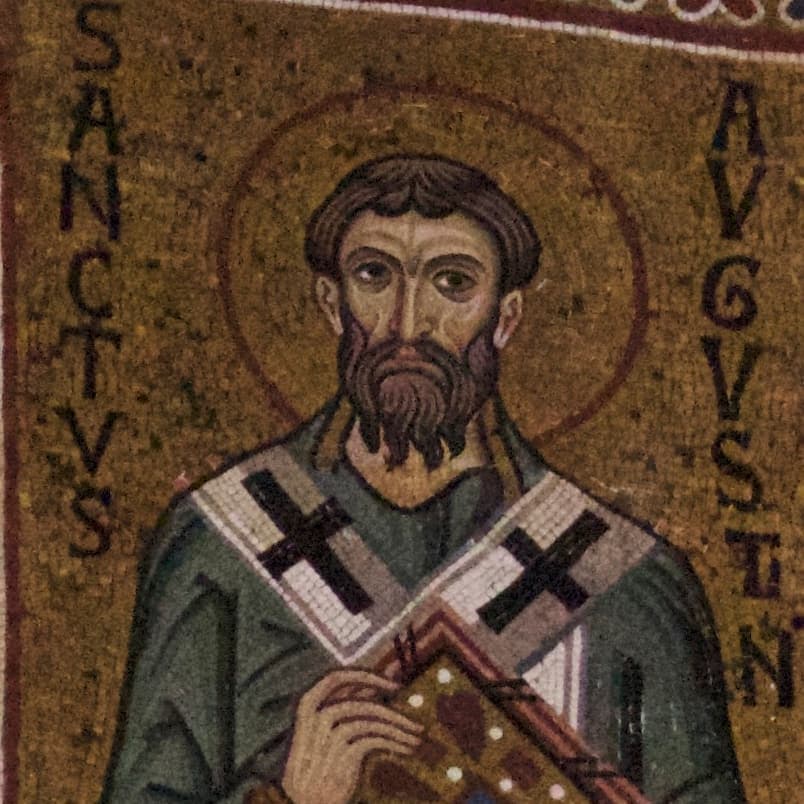
Table of Contents

1How Augustin Writes in Answer to a Favor Asked by a Deacon of Carthage2How It Often Happens that a Discourse Which Gives Pleasure to the Hearer is Distasteful to the Speaker; And What Explanation is to Be Offered of that Fact3Of the Full Narration to Be Employed in Catechising4That the Great Reason for the Advent of Christ Was the Commendation of Love5That the Person Who Comes for Catechetical Instruction is to Be Examined with Respect to His Views, on Desiring to Become a Christian6Of the Way to Commence the Catechetical Instruction, and of the Narration of Facts from the History of the World’s Creation on to the Present Times of the Church7Of the Exposition of the Resurrection, the Judgment, and Other Subjects, Which Should Follow This Narration8Of the Method to Be Pursued in Catechising Those Who Have Had a Liberal Education9Of the Method in Which Grammarians and Professional Speakers are to Be Dealt with10Of the Attainment of Cheerfulness in the Duty of Catechising, and of Various Causes Producing Weariness in the Catechumen11Of the Remedy for the Second Source of Weariness12Of the Remedy for the Third Source of Weariness13Of the Remedy for the Fourth Source of Weariness14Of the Remedy Against the Fifth and Sixth Sources of Weariness15Of the Method in Which Our Address Should Be Adapted to Different Classes of Hearers16A Specimen of a Catechetical Address; And First, the Case of a Catechumen with Worthy Views17The Specimen of Catechetical Discourse Continued, in Reference Specially to the Reproval of False Aims on the Catechumen’s Part18Of What is to Be Believed on the Subject of the Creation of Man and Other Objects19Of the Co-Existence of Good and Evil in the Church, and Their Final Separation20Of Israel’s Bondage in Egypt, Their Deliverance, and Their Passage Through the Red Sea21Of the Babylonish Captivity, and the Things Signified Thereby22Of the Six Ages of the World23Of the Mission of the Holy Ghost Fifty Days After Christ’s Resurrection24Of the Church in Its Likeness to a Vine Sprouting and Suffering Pruning25Of Constancy in the Faith of the Resurrection26Of the Formal Admission of the Catechumen, and of the Signs Therein Made Use of27Of the Prophecies of the Old Testament in Their Visible Fulfillment in the Church
Icon of St. Augustine of Hippo
Icon: Byzantine mosaicists of the Cappella Palatina, Palermo (photo: Colsu) · CC BY-SA 4.0