THEORIA
Explore full early church libraryExplore library
Library
  1. Library
  2. St. Augustine of Hippo
  3. On the Spirit and the Letter

On the Spirit and the Letter

St. Augustine of Hippo

2h 11m read
Post-Nicene

De Spiritu et Littera, addressed to Marcellinus in 412, arguing from 2 Corinthians 3 that the law without the life-giving Spirit condemns, and that true righteousness is the work of grace.
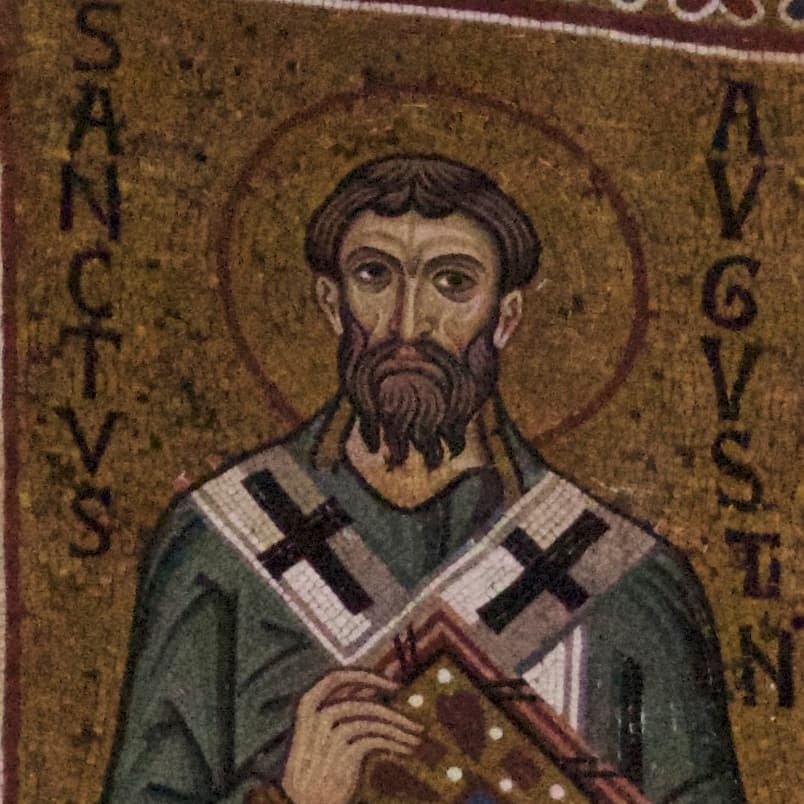
Table of Contents

1Extract from Augustin’s Retractations2Book II. Chap. 37,3Argument4The Occasion of Writing This Work; A Thing May Be Capable of Being Done, and Yet May Never Be Done5Chapter 2 [II.]—The Examples Apposite.6Theirs is Comparatively a Harmless Error, Who Say that a Man Lives Here Without Sin7Theirs is a Much More Serious Error, Requiring a Very Vigorous Refutation, Who Deny God’s Grace to Be Necessary8True Grace is the Gift of the Holy Ghost, Which Kindles in the Soul the Joy and Love of Goodness9The Teaching of Law Without the Life-Giving Spirit is 'The Letter that Killeth.'10Chapter 7 [V.]—What is Proposed to Be Here Treated.11Romans Interprets Corinthians12Chapter 9 [VI].—Through the Law Sin Has Abounded.13Christ the True Healer14Chapter 11 [VII.]—From What Fountain Good Works Flow.15Paul, Whence So Called; Bravely Contends for Grace16Keeping the Law; The Jews’ Glorying; The Fear of Punishment; The Circumcision of the Heart17In What Respect the Pelagians Acknowledge God as the Author of Our Justification18The Righteousness of God Manifested by the Law and the Prophets19How the Law Was Not Made for a Righteous Man20The Exclusion of Boasting21Piety is Wisdom; That is Called the Righteousness of God, Which He Produces22The Knowledge of God Through the Creation23The Law Without Grace24Chapter 21 [XIII.]—The Law of Works and the Law of Faith.25No Man Justified by Works26How the Decalogue Kills, If Grace Be Not Present27The Passage in Corinthians28The Passage in Romans29No Fruit Good Except It Grow from the Root of Love30Grace, Concealed in the Old Testament, is Revealed in the New31Why the Holy Ghost is Called the Finger of God32A Comparison of the Law of Moses and of the New Law33The New Law Written Within34The Old Law Ministers Death; The New, Righteousness35The Christian Faith Touching the Assistance of Grace36The Prophecy of Jeremiah Concerning the New Testament37The Law; Grace38Chapter 35 [XX.]—The Old Law; The New Law.39Chapter 36 [XXI.]—The Law Written in Our Hearts.40Chapter 37 [XXII.]—The Eternal Reward.41The Re-Formation Which is Now Being Effected, Compared with the Perfection of the Life to Come42The Eternal Reward Which is Specially Declared in the New Testament, Foretold by the Prophet43How that is to Be the Reward of All; The Apostle Earnestly Defends Grace44The Law Written in the Heart, and the Reward of the Eternal Contemplation of God, Belong to the New Covenant; Who Among the Saints are the Least and the Greatest45Difference Between the Old and the New Testaments46A Question Touching the Passage in the Apostle About the Gentiles Who are Said to Do by Nature the Law’s Commands, Which They are Also Said to Have Written on Their Hearts47The Answer Is, that the Passage Must Be Understood of the Faithful of the New Covenant48It is Not by Their Works, But by Grace, that the Doers of the Law are Justified; God’s Saints and God’s Name Hallowed in Different Senses49How the Passage of the Law Agrees with that of the Prophet50The Law ‘Being Done by Nature’ Means, Done by Nature as Restored by Grace51The Image of God is Not Wholly Blotted Out in These Unbelievers; Venial Sins52The Grace Promised by the Prophet for the New Covenant53Chapter 50 [XXIX.]—Righteousness is the Gift of God.54Faith the Ground of All Righteousness55Chapter 52 [XXX.]—Grace Establishes Free Will.56Chapter 53 [XXXI.]—Volition and Ability.57Whether Faith Be in a Man’s Own Power58Chapter 55 [XXXII.]—What Faith is Laudable.59The Faith of Those Who are Under the Law Different from the Faith of Others60Chapter 57 [XXXIII.]—Whence Comes the Will to Believe?61The Free Will of Man is an Intermediate Power62Mercy and Pity in the Judgment of God63Chapter 60 [XXXIV.]—The Will to Believe is from God.64Chapter 61 [XXXV.]—Conclusion of the Work.65He Returns to the Question Which Marcellinus Had Proposed to Him66An Objection67Chapter 64 [XXXVI.]—When the Commandment to Love is Fulfilled.68In What Sense a Sinless Righteousness in This Life Can Be Asserted69Although Perfect Righteousness Be Not Found Here on Earth, It is Still Not Impossible
Icon of St. Augustine of Hippo
Icon: Byzantine mosaicists of the Cappella Palatina, Palermo (photo: Colsu) · CC BY-SA 4.0