THEORIA
Explore full early church libraryExplore library
Library
  1. Library
  2. St. Augustine of Hippo
  3. The Enchiridion

The Enchiridion

St. Augustine of Hippo · c. 421 AD

2h 37m read
Post-Nicene

Augustine's handbook for Laurentius on faith, hope and love: a short exposition of the Creed and the Lord's Prayer, written late in his life.
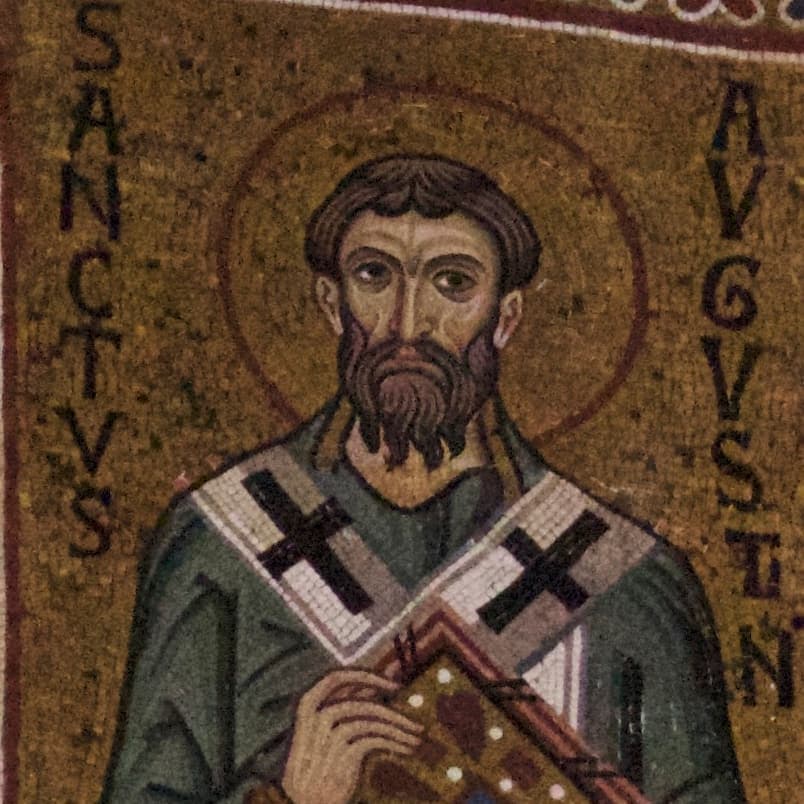
Table of Contents

1Argument2The Author Desires the Gift of True Wisdom for Laurentius3The Fear of God is Man’s True Wisdom4God is to Be Worshipped Through Faith, Hope, and Love5The Questions Propounded by Laurentius6Brief Answers to These Questions7Controversy Out of Place in a Handbook Like the Present8The Creed and the Lord’s Prayer Demand the Exercise of Faith, Hope, and Love9The Distinction Between Faith and Hope, and the Mutual Dependence of Faith, Hope, and Love10What We are to Believe. In Regard to Nature It is Not Necessary for the Christian to Know More Than that the Goodness of the Creator is the Cause of All Things11The Supremely Good Creator Made All Things Good12What is Called Evil in the Universe is But the Absence of Good13All Beings Were Made Good, But Not Being Made Perfectly Good, are Liable to Corruption14There Can Be No Evil Where There is No Good; And an Evil Man is an Evil Good15Good and Evil are an Exception to the Rule that Contrary Attributes Cannot Be Predicated of the Same Subject. Evil Springs Up in What is Good, and Cannot Exist Except in What is Good16The Preceding Argument is in No Wise Inconsistent with the Saying of Our Lord: ‘A Good Tree Cannot Bring Forth Evil Fruit.’17It is Not Essential to Man’s Happiness that He Should Know the Causes of Physical Convulsions; But It Is, that He Should Know the Causes of Good and Evil18The Nature of Error. All Error is Not Hurtful, Though It is Man’s Duty as Far as Possible to Avoid It19It is Never Allowable to Tell a Lie; But Lies Differ Very Much in Guilt, According to the Intention and the Subject20Men’s Errors Vary Very Much in the Magnitude of the Evils They Produce; But Yet Every Error is in Itself an Evil21Every Error is Not a Sin. An Examination of the Opinion of the Academic Philosophers, that to Avoid Error We Should in All Cases Suspend Belief22Error, Though Not Always a Sin, is Always an Evil23A Lie is Not Allowable, Even to Save Another from Injury24Summary of the Results of the Preceding Discussion25The Secondary Causes of Evil are Ignorance and Lust26God’s Judgments Upon Fallen Men and Angels. The Death of the Body is Man’s Peculiar Punishment27Through Adam’s Sin His Whole Posterity Were Corrupted, and Were Born Under the Penalty of Death, Which He Had Incurred28The State of Misery to Which Adam’s Sin Reduced Mankind, and the Restoration Effected Through the Mercy of God29When the Rebellious Angels Were Cast Out, the Rest Remained in the Enjoyment of Eternal Happiness with God30The Restored Part of Humanity Shall, in Accordance with the Promises of God, Succeed to the Place Which the Rebellious Angels Lost31Men are Not Saved by Good Works, Nor by the Free Determination of Their Own Will, But by the Grace of God Through Faith32Faith Itself is the Gift of God; And Good Works Will Not Be Wanting in Those Who Believe33The Freedom of the Will is Also the Gift of God, for God Worketh in Us Both to Will and to Do34Men, Being by Nature the Children of Wrath, Needed a Mediator. In What Sense God is Said to Be Angry35The Ineffable Mystery of the Birth of Christ the Mediator Through the Virgin Mary36Jesus Christ, Being the Only Son of God, is at the Same Time Man37The Grace of God is Clearly and Remarkably Displayed in Raising the Man Christ Jesus to the Dignity of the Son of God38The Same Grace is Further Clearly Manifested in This, that the Birth of Christ According to the Flesh is of the Holy Ghost39Jesus Christ, According to the Flesh, Was Not Born of the Holy Spirit in Such a Sense that the Holy Spirit is His Father40Not Everything that is Born of Another is to Be Called a Son of that Other41Christ’s Birth Through the Holy Spirit Manifests to Us the Grace of God42Christ, Who Was Himself Free from Sin, Was Made Sin for Us, that We Might Be Reconciled to God43The Sacrament of Baptism Indicates Our Death with Christ to Sin, and Our Resurrection with Him to Newness of Life44Baptism and the Grace Which It Typifies are Open to All, Both Infants and Adults45In Speaking of Sin, the Singular Number is Often Put for the Plural, and the Plural for the Singular46In Adam’s First Sin, Many Kinds of Sin Were Involved47It is Probable that Children are Involved in the Guilt Not Only of the First Pair, But of Their Own Immediate Parents48It is Difficult to Decide Whether the Sins of a Man’s Other Progenitors are Imputed to Him49The Guilt of the First Sin is So Great that It Can Be Washed Away Only in the Blood of the Mediator, Jesus Christ50Christ Was Not Regenerated in the Baptism of John, But Submitted to It to Give Us an Example of Humility, Just as He Submitted to Death, Not as the Punishment of Sin, But to Take Away the Sin of the World51Christ Took Away Not Only the One Original Sin, But All the Other Sins that Have Been Added to It52All Men Born of Adam are Under Condemnation, and Only If New Born in Christ are Freed from Condemnation53In Baptism, Which is the Similitude of the Death and Resurrection of Christ, All, Both Infants and Adults, Die to Sin that They May Walk in Newness of Life54Christ’s Cross and Burial, Resurrection, Ascension, and Sitting Down at the Right Hand of God, are Images of the Christian Life55Christ’s Second Coming Does Not Belong to the Past, But Will Take Place at the End of the World56The Expression, ‘Christ Shall Judge the Quick and the Dead,’ May Be Understood in Either of Two Senses57The Holy Spirit and the Church. The Church is the Temple of God58The Condition of the Church in Heaven59We Have No Certain Knowledge of the Organization of the Angelic Society60The Bodies Assumed by Angels Raise a Very Difficult, and Not Very Useful, Subject of Discussion61It is More Necessary to Be Able to Detect the Wiles of Satan When He Transforms Himself into an Angel of Light62The Church on Earth Has Been Redeemed from Sin by the Blood of a Mediator63By the Sacrifice of Christ All Things are Restored, and Peace is Made Between Earth and Heaven64The Peace of God, Which Reigneth in Heaven, Passeth All Understanding65Pardon of Sin Extends Over the Whole Mortal Life of the Saints, Which, Though Free from Crime, is Not Free from Sin66God Pardons Sins, But on Condition of Penitence, Certain Times for Which Have Been Fixed by the Law of the Church67The Pardon of Sin Has Reference Chiefly to the Future Judgment68Faith Without Works is Dead, and Cannot Save a Man69The True Sense of the Passage I Cor. III. 11–15 About Those Who are Saved, Yet So as by Fire70It is Not Impossible that Some Believers May Pass Through a Purgatorial Fire in the Future Life71Almsgiving Will Not Atone for Sin Unless the Life Be Changed72The Daily Prayer of the Believer Makes Satisfaction for the Trivial Sins that Daily Stain His Life73There are Many Kinds of Alms, the Giving of Which Assists to Procure Pardon for Our Sins74The Greatest of All Alms is to Forgive Our Debtors and to Love Our Enemies75God Does Not Pardon the Sins of Those Who Do Not from the Heart Forgive Others76The Wicked and the Unbelieving are Not Made Clean by the Giving of Alms, Except They Be Born Again77To Give Alms Aright, We Should Begin with Ourselves, and Have Pity Upon Our Own Souls78If We Would Give Alms to Ourselves, We Must Flee Iniquity; For He Who Loveth Iniquity Hateth His Soul79What Sins are Trivial and What Heinous is a Matter for God’s Judgment80Sins Which Appear Very Trifling, are Sometimes in Reality Very Serious81Sins, However Great and Detestable, Seem Trivial When We are Accustomed to Them82There are Two Causes of Sin, Ignorance and Weakness; And We Need Divine Help to Overcome Both83The Mercy of God is Necessary to True Repentance84The Man Who Despises the Mercy of God is Guilty of the Sin Against the Holy Ghost85The Resurrection of the Body Gives Rise to Numerous Questions86The Case of Abortive Conceptions87If They Have Ever Lived, They Must of Course Have Died, and Therefore Shall Have a Share in the Resurrection of the Dead88The Case of Monstrous Births89The Material of the Body Never Perishes90But This Material May Be Differently Arranged in the Resurrection Body91If There Be Differences and Inequalities Among the Bodies of Those Who Rise Again, There Shall Be Nothing Offensive or Disproportionate in Any92The Bodies of the Saints Shall at The Resurrection Be Spiritual Bodies93The Resurrection of the Lost94Both the First and the Second Deaths are the Consequence of Sin. Punishment is Proportioned to Guilt95The Saints Shall Know More Fully in the Next World the Benefits They Have Received by Grace96God’s Judgments Shall Then Be Explained97The Omnipotent God Does Well Even in the Permission of Evil98In What Sense Does the Apostle Say that ’God Will Have All Men to Be Saved,’ When, as a Matter of Fact, All are Not Saved?99Predestination to Eternal Life is Wholly of God’s Free Grace100As God’s Mercy is Free, So His Judgments are Just, and Cannot Be Gainsaid101The Will of God is Never Defeated, Though Much is Done that is Contrary to His Will102The Will of God, Which is Always Good, is Sometimes Fulfilled Through the Evil Will of Man103The Will of the Omnipotent God is Never Defeated, and is Never Evil104Interpretation of the Expression in I Tim. II. 4: ‘Who Will Have All Men to Be Saved.’105God, Foreknowing the Sin of the First Man, Ordered His Own Purposes Accordingly106Man Was So Created as to Be Able to Choose Either Good or Evil: in the Future Life, the Choice of Evil Will Be Impossible107The Grace of God Was Necessary to Man’s Salvation Before the Fall as Well as After It108Eternal Life, Though the Reward of Good Works, is Itself the Gift of God109A Mediator Was Necessary to Reconcile Us to God; And Unless This Mediator Had Been God, He Could Not Have Been Our Redeemer110The State of the Soul During the Interval Between Death and the Resurrection111The Benefit to the Souls of the Dead from the Sacraments and Alms of Their Living Friends112After the Resurrection There Shall Be Two Distinct Kingdoms, One of Eternal Happiness, the Other of Eternal Misery113There is No Ground in Scripture for the Opinion of Those Who Deny the Eternity of Future Punishments114The Death of the Wicked Shall Be Eternal in the Same Sense as the Life of the Saints115Having Dealt with Faith, We Now Come to Speak of Hope. Everything that Pertains to Hope is Embraced in the Lord’s Prayer116The Seven Petitions of the Lord’s Prayer, According to Matthew117Luke Expresses the Substance of These Seven Petitions More Briefly in Five118Love, Which is Greater Than Faith and Hope, is Shed Abroad in Our Hearts by the Holy Ghost119The Four Stages of the Christian’s Life, and the Four Corresponding Stages of the Church’s History120The Grace of Regeneration Washes Away All Past Sin and All Original Guilt121Death Cannot Injure Those Who Have Received the Grace of Regeneration122Love is the End of All the Commandments, and God Himself is Love123Conclusion
Icon of St. Augustine of Hippo
Icon: Byzantine mosaicists of the Cappella Palatina, Palermo (photo: Colsu) · CC BY-SA 4.0